
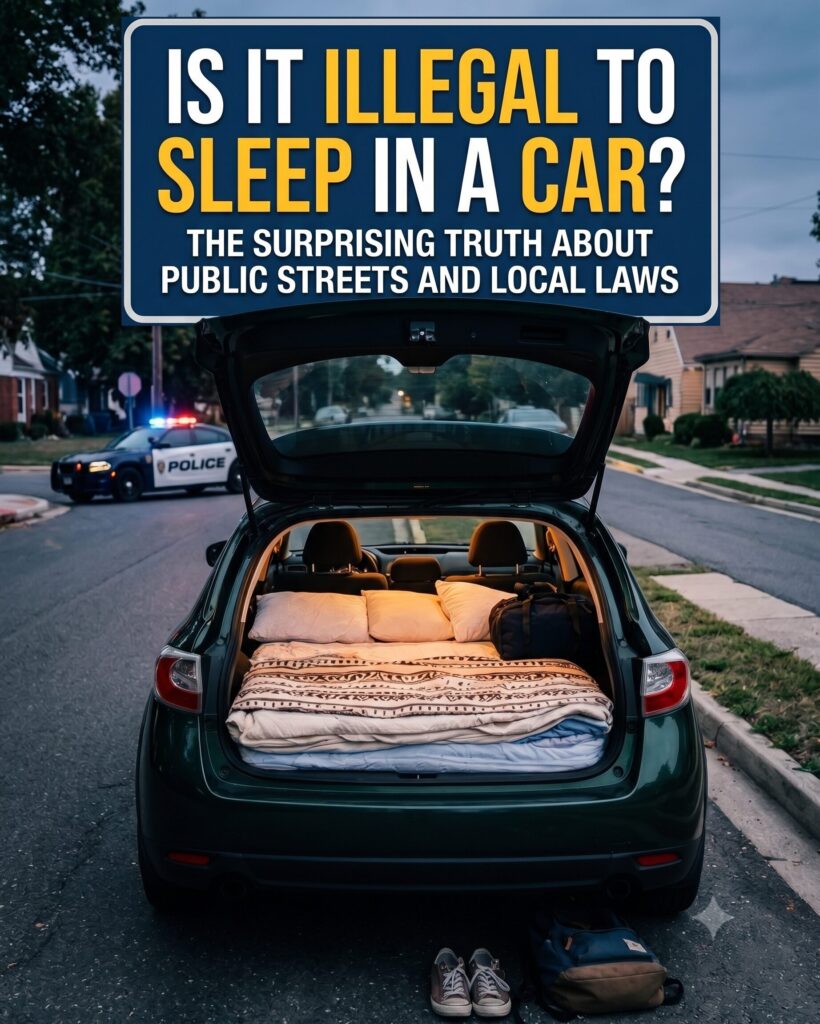
Here in Muncie I see the homeless daily walking the streets, living in encampments and trying to live one day at a time. but did you know that there are many folks who been recently evicted and due to hardships have no choice but to live in their cars or vans?
The Other day I ordered a pizza and here came a lady doordasher and I saw her car, her smile, and what I did not expect to see was her Children in the car. as an expert in spotting those in crisis, it only took a second to know she had no home. because of our charity work I already knew hundreds leave housing and the car is the only thing providing a barrier between homeless encampment living and being off the streets. Some may say she is still on the streets.
 The vanishing safety net
For thousands of Americans, a car’s front seat or the back of a van is now the last thing standing between them and total homelessness. Cities across the country are increasingly making that refuge illegal. Local governments keep passing ordinances that ban sleeping or living in vehicles parked on public streets. These laws target people who have no other housing option, often trapping them in a cycle of fines and legal trouble that makes it harder to escape poverty.
 Working without a home
Many of the people hit by these bans have jobs. They just can’t keep up with rent prices in cities that keep climbing. They work full time, keep uniforms and belongings in the car, and drive to jobs that don’t pay enough to live on. The vehicle is the bridge between losing everything and hoping for stability again. But the law treats these mobile shelters as a nuisance, not as proof of a deeper economic problem.
 Penalties and enforcement
Enforcing these bans often brings consequences that threaten a person’s job and their chance at permanent housing. Common penalties and outcomes:
– Fines that pile up into thousands of dollars in debt.
– Towing and impoundment, which often means losing every personal possession inside.
– Criminal records that make it harder to rent an apartment or land a better paying job.
– Repeated displacement that pushes people into less safe, more isolated areas.
 A shift in legal rights
A Supreme Court ruling cleared the way for cities to enforce these bans without offering any alternative shelter. The Court decided the ordinances don’t count as cruel and unusual punishment under the Constitution. That changed the legal picture. Local officials now have more room to clear inhabited vehicles off public streets, even when shelters are full or don’t exist at all.
 Breaking the cycle of poverty
Criminalizing life in a vehicle creates a loop that pushes the people trying to stabilize their lives further to the margins. When a car gets towed because someone was sleeping inside, that person loses their ride to work and their only shelter from the weather. That loss often wipes out whatever resources they had left, turning a temporary housing problem into a permanent crisis, one that costs the public more in emergency services than supportive housing ever would.
Personally I like to add that a vehicle that locks is much more secure than a tent in an encampment. The cycle of poverty will continue to rise as the cost of living in today’s economy keeps going up.
Subscribe to our newsletter to stay up to date on our solutions, projects, and opportunities to be a part of the solution. Evictions often leaves affordable housing out of the picture as
Sources:
National Homelessness Law Center
U.S. Supreme Court: City of Grants Pass, Oregon v. Johnson
National Low Income Housing Coalition
#homelessness #housingcrisis #supremecourt #urbanliving
See less